Complete Guide to Roof Lights
Unique Skylight Ideas: Fresh Concepts to Transform Your Living Space Design
Creative skylight designs offer a remarkable way to transform interior spaces. By incorporating distinctive shapes and multi-panel options, homeowners can significantly transform the atmosphere of their living spaces. These qualities not only address visual appeal but also boost energy efficiency and usability. Understanding the transformative benefits of skylights can guide informed choices. Nevertheless, the inquiry endures: how can one identify the right skylight to align with their unique aesthetic and home layout?
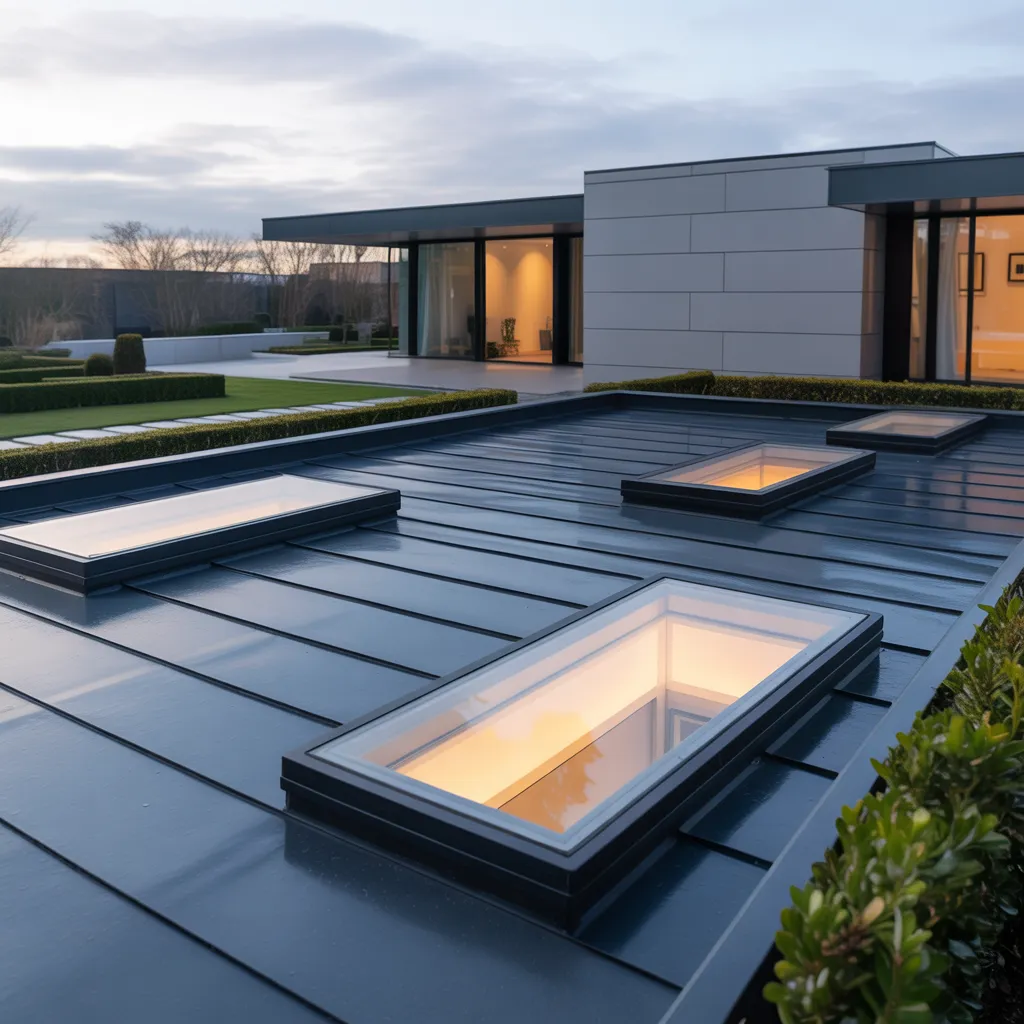
How Skylights Transform Interior Design
While numerous factors play a role in interior design, skylights remain notable for their significant impact. They act as an essential provider of natural light, improving the general atmosphere of a room. By filling indoor spaces with natural sunlight, skylights can cause spaces to appear more expansive and welcoming, establishing an airy quality that artificial light rarely manages to replicate. Additionally, the introduction of natural light has been shown to improve mood and productivity, making skylights an excellent choice for both residential and commercial settings.
Moreover, skylights can minimize dependence on artificial lighting, leading to reduced energy consumption and a reduced carbon footprint. Their placement can also accentuate architectural features, lending a unique aesthetic appeal to the structure. With a wide range of styles and sizes on offer, skylights can be adjusted to complement diverse interior themes, making them a multifaceted option for enhancing both beauty and functionality in any interior setting.
Creative Geometric Skylight Forms to Think About
Distinctive geometric skylight designs can tremendously elevate interior areas by adding visual interest and character. Triangular skylight configurations deliver a sleek aesthetic, while circular designs introduce an element of elegance and flow. Both shapes provide unique methods to incorporate daylight into various architectural styles.
Triangle Skylight Designs
Triangular skylight configurations deliver a striking departure from conventional forms, capturing attention with their geometric elegance. These distinctive skylights have the power to reshape any room, introducing an element of modernism while maximizing natural light. Their distinct angles create dynamic visual interest, rendering them especially suited to contemporary design settings. Furthermore, triangular forms blend naturally into diverse architectural aesthetics, ranging from minimalist concepts to industrial themes. By enabling natural light to stream in from various directions, they enhance the ambiance and spatial perception within a room. Beyond that, the versatility of triangular skylights enables customization, meeting diverse stylistic requirements. In the end, these forward-thinking designs both enhance interior aesthetics and foster a warmer, more luminous environment.
Round Skylight Alternatives
Round skylight designs offer a refined and balanced solution for improving indoor environments. These remarkable geometric forms not only draw in natural illumination but also create a stunning focal point. Offered in a range of sizes, circular skylights can integrate naturally with different architectural styles, from contemporary to classic. Their balanced form encourages a sense of equilibrium, making them ideal for rooms that thrive with gentle lighting, such as living areas and bedrooms. Additionally, cutting-edge glazing systems deliver energy efficiency while minimizing heat loss. Tailoring possibilities, including styled frames and tinted panes, allow homeowners to customize their installations uniquely. Ultimately, circular skylights serve as a seamless fusion of beauty and practicality, improving both appearance and mood in any interior setting.
Multi-Panel Roof Skylights: A Contemporary Design Statement
As homeowners seek to blend natural light with contemporary design, multi-panel skylights present themselves as an elegant solution. These architectural features consist of several adjoining panels, allowing expansive views of the sky and maximizing daylight. Their versatile modular design delivers flexibility, making them suitable for various roof shapes and sizes, while enhancing the overall aesthetic of both modern and traditional homes.
Multi-panel skylights have the ability to create dramatic visual lines and add depth to indoor spaces. Offered in numerous materials, like glass and acrylic, they are customizable to accommodate personal preferences. Moreover, the panel arrangement can be arranged to form distinctive geometric patterns, providing a captivating focal point in any room.
Incorporating multi-panel skylights not only enhances the visual charm of interiors but also nurtures a relationship with the outdoors, enriching the living experience. This transformative design feature promises to redefine the concept of natural light in interior design.
Ways Skylights Enhance Energy Efficiency in Your Home
Although many homeowners focus on appearance when thinking about skylights, their energy efficiency benefits are equally significant. Skylights can improve the natural lighting in a home, minimizing the need for artificial lighting during daylight hours. This not only cuts down on electricity expenses but also promotes a healthier indoor atmosphere.
Furthermore, modern skylights often feature high-performance glazing that minimizes heat loss in winter and prevents overheating in summer. This advanced insulation delivers better temperature regulation, decreasing dependence on heating and cooling systems. Furthermore, thoughtfully installed skylights can enable cross-ventilation, simultaneously increasing a home's energy efficiency by encouraging natural airflow throughout the space.
How to Integrate Skylights With Smart Home Technology
Integrating skylights with smart home technology transforms the manner in which natural light and ventilation are regulated throughout a residential environment. Through the use of automated systems, homeowners are able to control skylight functionality according to weather patterns or individual preferences. Smart sensors can detect sunlight intensity and modify the skylight positions to enhance natural light while limiting heat absorption.
Moreover, these units can be scheduled to work according to schedules, facilitating fresh air circulation during certain hours of the day. Connection to home automation hubs enables wireless control via smartphones or voice commands, increasing user convenience. In addition, energy-efficient skylights equipped with smart technology can provide alerts for maintenance needs, ensuring longevity and performance.
Ultimately, the merging of skylights and smart technology not only boosts everyday comfort but also encourages energy savings, enabling homeowners to experience the advantages of natural light without limiting management.
Key Tips for Choosing the Perfect Skylight for Your Home
Selecting the best skylight demands thorough assessment of various factors reference to maximize both performance and visual appeal. Residents should start by considering the function of the skylight, be it for natural light, ventilation, or both. This decision influences the style and positioning of the skylight.
Next, it is essential to take into account the size; larger skylights provide more light but could need extra structural reinforcement. Energy performance is another key factor; choosing options that feature insulated glass can lower energy expenses.
Regional climate conditions are also a contributing factor; durable materials are necessary for areas with extreme weather conditions. In addition, homeowners should evaluate shading options to control light and heat gain.
Lastly, professional installation is strongly suggested to ensure proper sealing and alignment, reducing leaks and improving overall performance. By carefully considering these factors, homeowners can identify skylights that meaningfully elevate their living environments.

Questions We Get Asked Often
What Are the Upkeep Requirements for Various Skylight Types?
Distinct skylight designs call for specific maintenance approaches; stationary units require regular cleaning, while ventilated models require inspection of seals and moving parts. Regular inspections for leaks and debris removal are essential to guarantee peak performance and longevity.
Are Skylights a Viable Option for Existing Homes?
Yes, skylights can be installed in existing homes. Skilled experts examine the structural integrity and roofing components before proceeding with installation, ensuring proper sealing and insulation to prevent leaks and enhance energy efficiency, ultimately improving the living space's natural light.
In What Ways Do Skylights Influence Indoor Temperature Regulation?
Skylights can significantly influence indoor temperature regulation by permitting natural light to flow in, which can warm spaces during colder months. That said, in the absence of sufficient insulation and shade, they can also lead to excess heat buildup during warmer months.
What Safety Concerns Are Associated With Skylights?
Yes, safety concerns with skylights include possible leaks, structural vulnerabilities, and the chance of breakage. Correct installation, routine maintenance, and the use of tempered or laminated glass can reduce these risks and improve safety.
What Are the Top Materials for Skylight Frames?
Aluminum and vinyl are frequently regarded as the top materials for skylight frames because of their robust durability, ease of maintenance, and superior resistance to the elements. Wooden frames, although visually appealing, demand greater maintenance and are susceptible to rot.